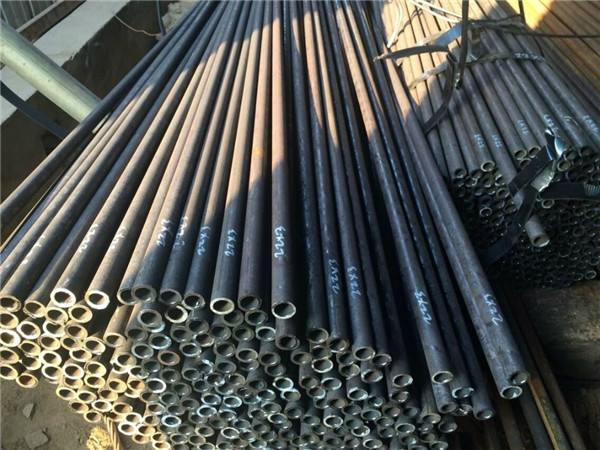
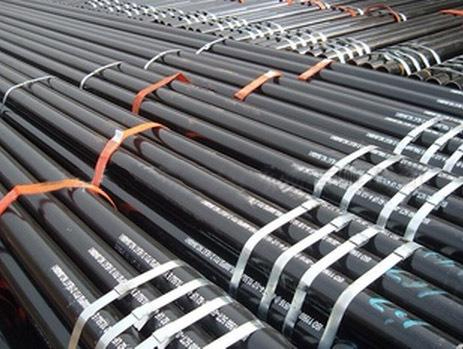
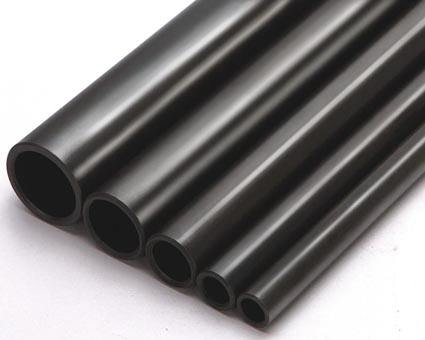
一般来说对冷拔无(wú)缝钢(gāng)管的(de)性(xìng)能(néng)产生影(yǐng)响的元(yuán)素究(jiū)竟(jìng)有哪些?决定(dìng)冷拔(bá)无缝钢管质(zhì)量的不但有生产工(gōng)艺,还要其它重要的因素对冷拔无缝钢管性能产生影响。这(zhè)就是冷拔无缝钢管含量元素多少对钢管的性能产生(shēng)重大影响(xiǎng)。接下来就让我们一(yī)起来看看。影响的元素:介绍就是能对冷拔(bá)无缝钢管性能产生影响的(de)一些元素,分别(bié)有碳、硫、磷、锰,希望以上的内(nèi)容能够帮(bāng)助大家。
Generally speaking, what are the elements that affect the performance of cold-drawn seamless steel tubes? The quality of cold-drawn seamless steel tube is determined not only by production technology, but also by other important factors. This is why the content of elements in cold-drawn seamless steel tube has a great influence on the performance of steel tube. Next let's take a look. Influencing Elements: The introduction is to introduce some elements which can affect the performance of cold-drawn seamless steel tubes, including carbon, sulfur, phosphorus and manganese. I hope the above contents can help you. (1)碳;含碳量越高,刚的硬度就越(yuè)高,导致冷拔(bá)无缝钢管的可塑性和(hé)韧性就越差(chà)。
(1) Carbon; the higher the carbon content, the higher the rigidity, resulting in the worse plasticity and toughness of cold-drawn seamless steel tubes.
(2)硫;是钢中的有害杂物,含硫较高的钢在高温进(jìn)行压力加工时,容易(yì)脆裂,通常叫作热脆性。
(2) Sulphur is a harmful impurity in steel. When the steel with higher sulphur content is processed under pressure at high temperature, it is easy to crack, which is usually called hot brittleness.
(3)磷;能使钢的可塑性及韧性明显下降,特别的在低温下更为严(yán)重,这种现象叫作冷脆(cuì)性.在优质钢中,硫和磷要严格控制.但从另方面看,在低碳钢(gāng)中含(hán)有较高的硫和磷,能使其切削易(yì)断,对改善钢的可切削性是有(yǒu)利的。
(3) Phosphorus; can make the plasticity and toughness of steel decrease obviously, especially at low temperature. This phenomenon is called cold brittleness. In high-quality steel, sulfur and phosphorus should be strictly controlled. On the other hand, high sulfur and phosphorus content in low carbon steel can make it easy to cut, which is beneficial to improve the machinability of steel.
(4)锰(měng);能提高钢的强度,能消弱和消除硫的(de)不良影响,并能提高钢(gāng)的(de)淬透性,含锰(měng)量很高的高合金钢(高锰钢)具有良好的耐磨性和其它的物理(lǐ)性能。
(4) Manganese; can improve the strength of steel, can weaken and eliminate the adverse effects of sulfur, and can improve the hardenability of steel. High alloy steel (high manganese steel) with high manganese content has good wear resistance and other physical properties.